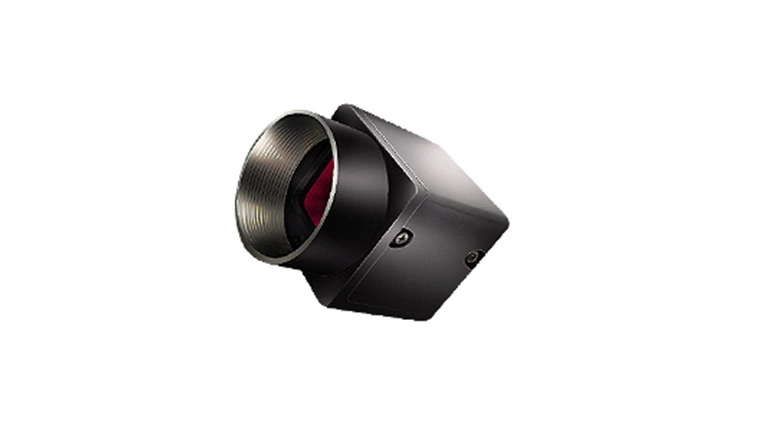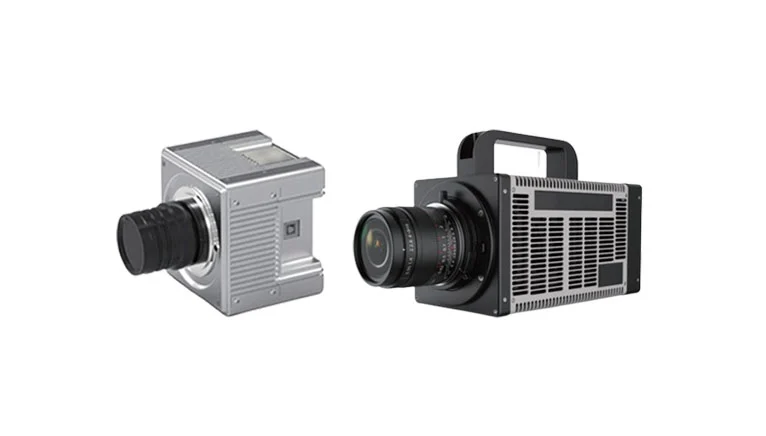
LANO Technology's industrial high-speed camera serves as an invaluable asset in enhancing efficiency and quality control. By providing rapid, time-accurate imaging, it enables manufacturers to identify production line flaws, optimize performance, and reduce downtime. Real-time analysis of high-speed video footage helps in proactive troubleshooting, preventing potential failures before they occur. This not only increases productivity but also saves manufacturers significant time and resources.
Manufacturing plants often encounter complex issues that require quick and accurate resolutions. High-speed cameras for industrial troubleshooting have emerged as invaluable tools to detect, capture, and analyze the intricate details of production processes. These cameras offer unparalleled precision, allowing engineers and technicians to identify bottlenecks, malfunctions, and other potential problems swiftly.
Detailed Analysis of Fast Processes:
Industrial high speed cameras can capture thousands to millions of frames per second, allowing for detailed analysis of rapid events that are invisible to the naked eye. This is crucial in industries where understanding fast processes is essential, such as automotive crash testing or material stress testing.
Improved Quality Control:
By capturing high-speed footage of production lines, manufacturers can identify defects and inefficiencies in real-time. This helps in maintaining high quality standards and reducing waste.
Enhanced Research and Development:
In R&D, industrial high speed cameras enable scientists and engineers to study phenomena like fluid dynamics, combustion, and material deformation in great detail. This can lead to innovations and improvements in product design and functionality.
Failure Analysis:
When equipment or components fail, industrial high-speed cameras can provide critical insights into the failure mechanisms. This information is invaluable for improving product reliability and safety.
Process Optimization:
By analyzing high-speed footage, companies can optimize their processes to increase efficiency and reduce downtime. For example, in manufacturing, understanding the exact timing and interaction of machine parts can lead to more synchronized and efficient operations.
Application: Define the specific application (e.g., motion analysis, machine vision inspection, scientific research).
Frame Rate: Determine the required frame rate to capture the fastest movement accurately.
Resolution: Select a resolution that provides sufficient detail for your application while balancing image size and processing demands.
Sensor Type: Consider factors like sensitivity, noise levels, and global shutter vs. rolling shutter characteristics.
Connectivity: Choose the appropriate interface (e.g., USB, GigE, Camera Link) for your system.
Environment: Evaluate the camera's suitability for the operating environment (e.g., temperature, vibration, dust).
High-speed cameras seamlessly integrate with machine vision systems, enabling real-time defect detection, precise measurements, and automated inspections. They also work alongside robotic automation, guiding robotic arms for accurate positioning, assembly, and quality assurance in high-speed production environments.
In manufacturing and process control, these cameras connect to PLCs (Programmable Logic Controllers) and SCADA (Supervisory Control and Data Acquisition) systems, ensuring continuous monitoring and optimizing production lines. This reduces downtime and increases operational efficiency.
For scientific research and testing, high-speed cameras integrate with sensors, data acquisition systems, and AI analytics to analyze high-speed motions, such as material stress testing and crash simulations.
In Industry 4.0 smart factories, these cameras connect to IoT networks, cloud platforms, and AI-driven analytics for real-time monitoring and predictive maintenance.
Daily or Weekly Checks: Inspect the camera lens for dust, debris, or smudges and clean it with appropriate lens cleaning materials. Check cable connections to ensure secure and stable data transmission.
Monthly Maintenance: Verify firmware and software updates to ensure compatibility with the latest industrial automation systems. Inspect the camera housing and cooling system (if applicable) for dust buildup or potential overheating issues.
Quarterly or Biannual Maintenance: Perform a deep cleaning of the sensor and internal components, especially if the camera operates in dusty or high-vibration environments. Ensure calibration is up to date to maintain accurate image capture and processing.
Annual Maintenance: Schedule a professional inspection and calibration service if required by the manufacturer. Replace worn-out cables, connectors, or other components that show signs of degradation.
 English